
Warmer floors in winter
Insulation under the floor stops cold air rising through gaps and floorboards, so your feet stay warm and rooms heat up faster. This is especially noticeable in Beaconsfield Upper’s colder months.
Beaconsfield Upper
Underfloor insulation stops cold draughts and heat loss through suspended timber floors in Beaconsfield Upper. We install bulk batts between floor joists in the subfloor to keep your home warmer in winter and cooler in summer.
Share your details and Expert Insulation Melbourne will contact you about Underfloor Insulation in Beaconsfield Upper.
Underfloor insulation is installed beneath suspended timber floors to block cold air rising through gaps in the floorboards and between joists. In Beaconsfield Upper, many homes have enough crawl space under the floor to fit glasswool, polyester or rockwool batts between the bearers and joists. This cuts draughts, reduces condensation risk and makes floors noticeably warmer.
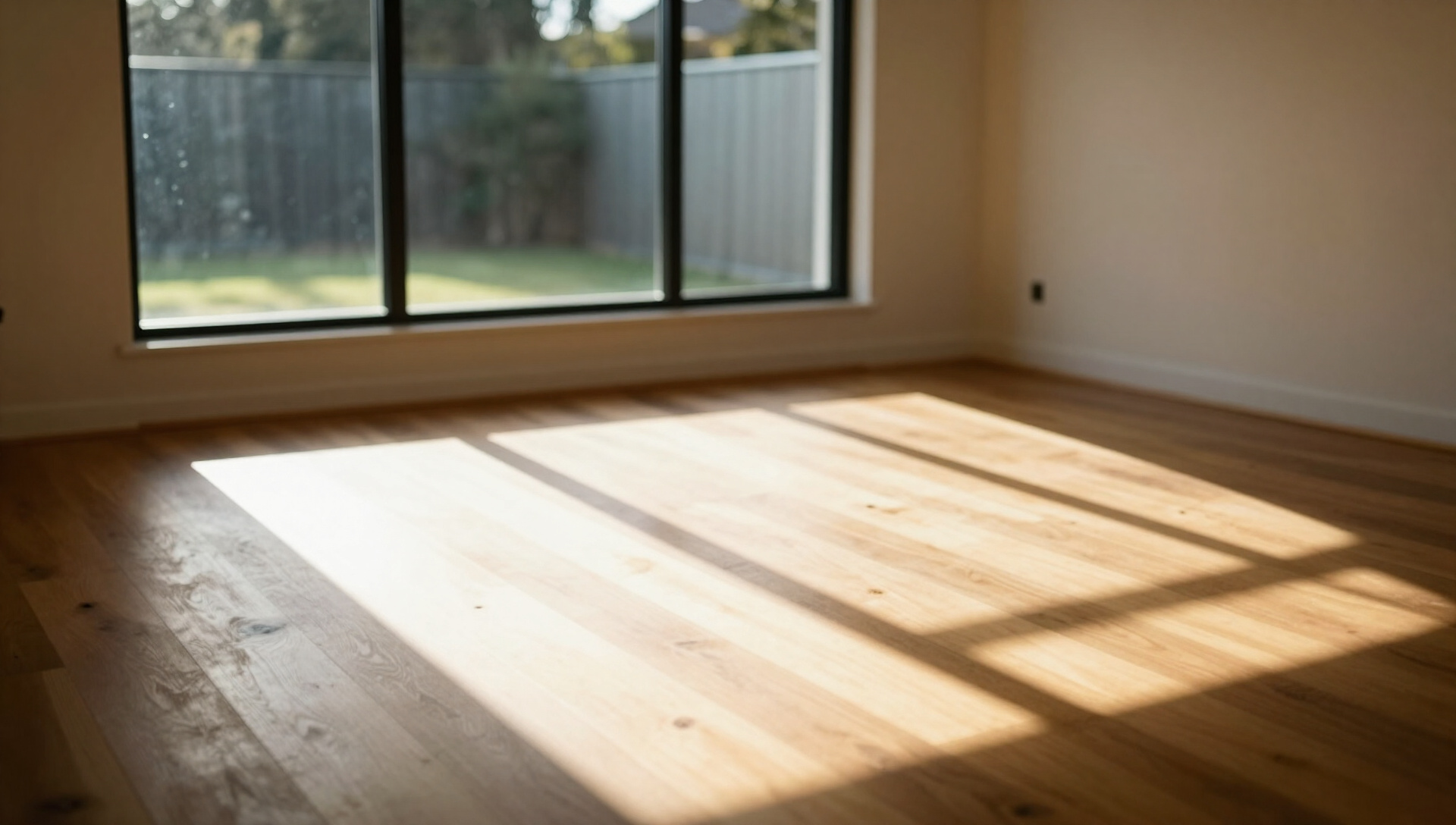
Beaconsfield Upper sits in a cooler, damper part of Melbourne where winter mornings can be sharp and floors stay cold without proper insulation. Underfloor batts address the main source of heat loss in older timber-framed homes and improve comfort year round.
Insulation under the floor stops cold air rising through gaps and floorboards, so your feet stay warm and rooms heat up faster. This is especially noticeable in Beaconsfield Upper’s colder months.
Less heat escapes through the floor, so your heater runs less often. Over time this lowers energy bills, particularly in older homes with poor subfloor sealing.
Batts block air movement through the subfloor, cutting draughts and the dust that often comes with them. This also helps with indoor air quality.
Properly installed underfloor insulation reduces condensation on cold subfloor surfaces, protecting timber and preventing musty smells.
While the main benefit is winter warmth, underfloor insulation also helps keep floors cooler in summer by limiting heat transfer from the ground.
The job is done from underneath, so carpets, timber floors or tiles stay undisturbed. No need to remove flooring to install or upgrade insulation.
We access the subfloor through existing vents or by lifting a section of flooring if needed. The process is clean and typically takes a few hours, depending on the size of your home and access.
We check the subfloor for adequate crawl space, moisture issues and any existing insulation. Access points are identified, usually via existing vents or by temporarily lifting a floorboard.
Batts are measured to fit snugly between joists without compressing, which would reduce their R-value. We use the chosen material - glasswool, polyester or rockwool - based on your preference and budget.
Batts are friction-fit between each joist, ensuring full coverage with no gaps. We maintain clearances from electrical cables and plumbing where required.
Any gaps around pipes or cables are sealed with appropriate tape or foam. The subfloor is left clean, and access points are restored. Old insulation is removed if it is damaged or ineffective.
Beaconsfield Upper has many homes on stumps with suspended timber floors, which are ideal for underfloor insulation. The area’s cooler climate and damp conditions make subfloor insulation a practical upgrade to improve comfort and reduce heating costs. Nearby Beaconsfield and Officer also benefit from the same service.
Stop cold floors and draughts with underfloor insulation installed under suspended timber floors in Beaconsfield Upper.
Homeowners in Beaconsfield Upper often ask about access, R-values and whether their home is suitable. Here are the most common questions we hear.
Underfloor insulation in Beaconsfield Upper targets the cold air rising through suspended timber floors, a common issue in older homes. By installing bulk batts between floor joists in the subfloor, we block draughts and reduce heat loss, making floors warmer and cutting heating costs. The process is non-invasive, with work done from underneath so your existing flooring remains intact.
Beaconsfield Upper’s cooler climate means homes without underfloor insulation can feel particularly cold in winter. Glasswool, polyester and rockwool batts are all effective options, with typical R-values ranging from R1.5 to R2.5 for underfloor applications. The right R-value depends on your budget, the subfloor depth and how much heat loss you want to prevent.
Access is the main factor affecting cost and feasibility. Most Beaconsfield Upper homes have enough crawl space, but very low subfloors or obstructed areas may require partial floor lifting. We also check for moisture, existing insulation and any electrical or plumbing that needs to be worked around. If old batts are compressed or damaged, we remove them before installing new material.
Book a subfloor inspection and quote for underfloor insulation in Beaconsfield Upper. We’ll check access, measure your floor area and recommend the best batts for your home.